The TB stack for digital Aerochrome
Publié le 4 septembre 2026
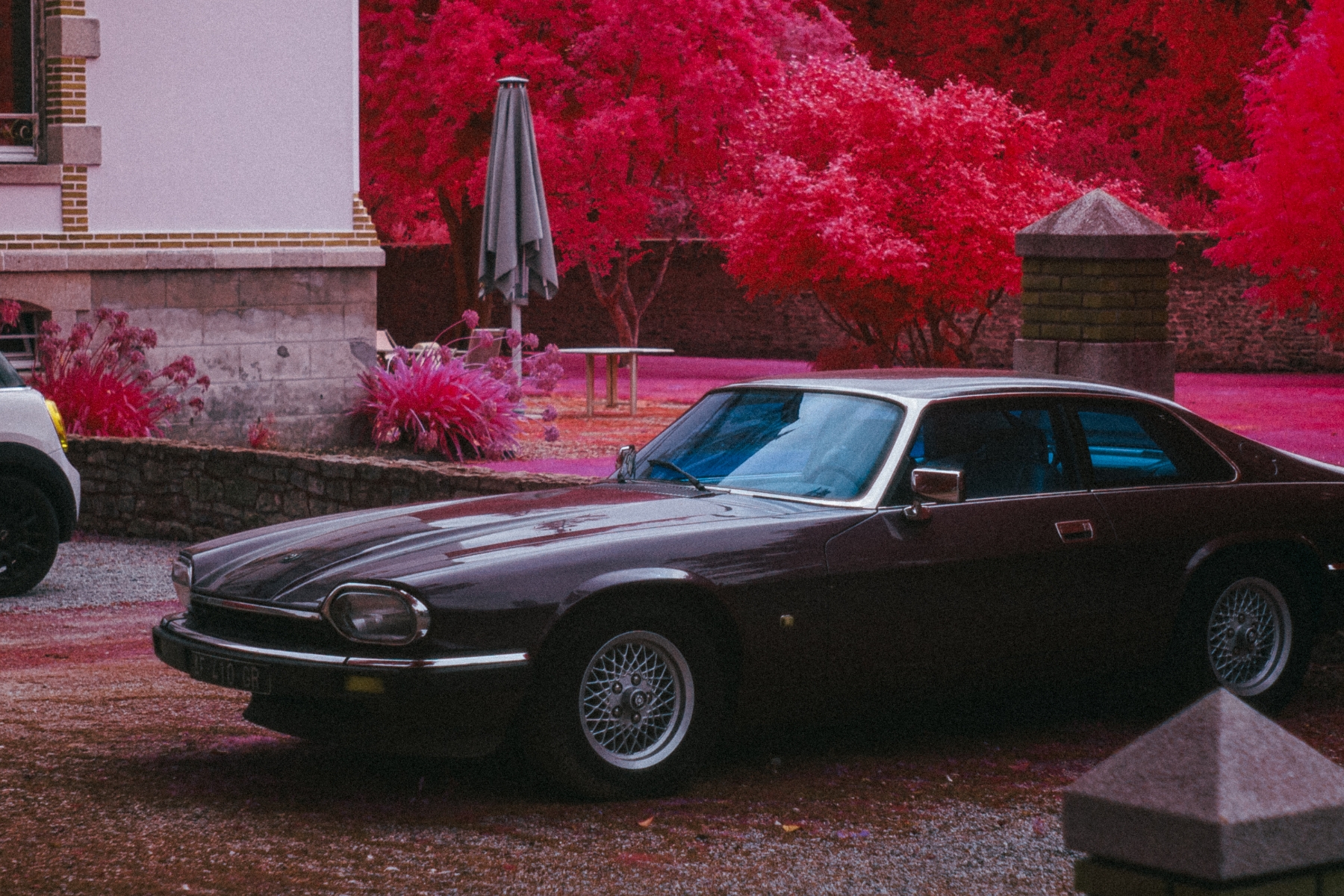
About the TB :
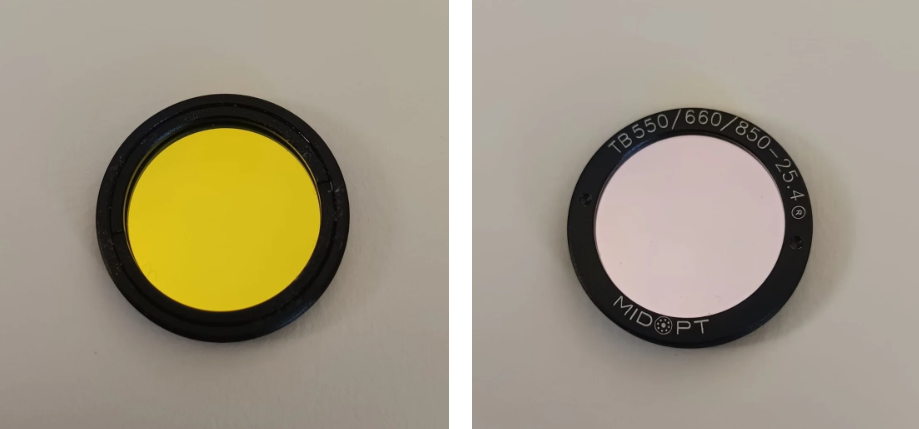
The TB is a complex filter. It is an absorbtive filter as well as a dichroic filter. You can see on the images below that one side of the filter is yellow while the other side looks more like a silver mirror.
The base glass of the filter is a yellow absorptive filter with a dichroic coating applied on one side of the glass (the silver side). It means that you can be confident the filter won't be leaking blue light.
The TB is a really strange filter because on its own it simply doesn't work : you have to pair it with and IR reducing filter and a green reducing filter.
The stack
Midopt TB550/660/850
Lee "Flesh Pink" gel
Tangsinuo GRB3
Here is the transmission curve for the stack :
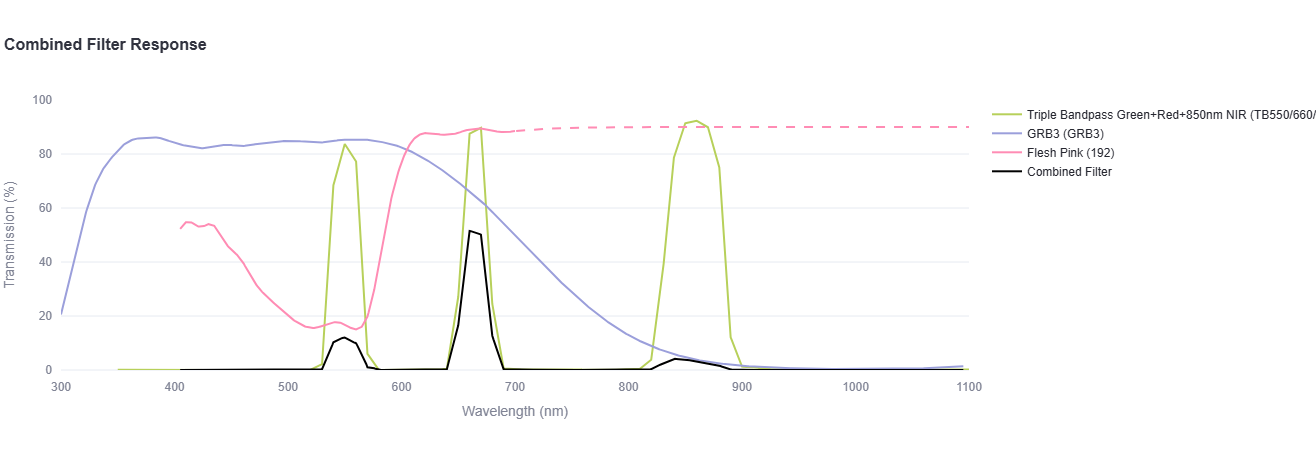
Each filter has its function. Usually when you do digital Aerochrome you have to substract IR from the Green and Red channels. This stack doesn't need IR substraction in post processing. It manages IR pollution optically.
The idea is simple : in order to depollute the red and green channel you have to maximize their transmission over the IR transmission. You have to give visible light more weight than IR.
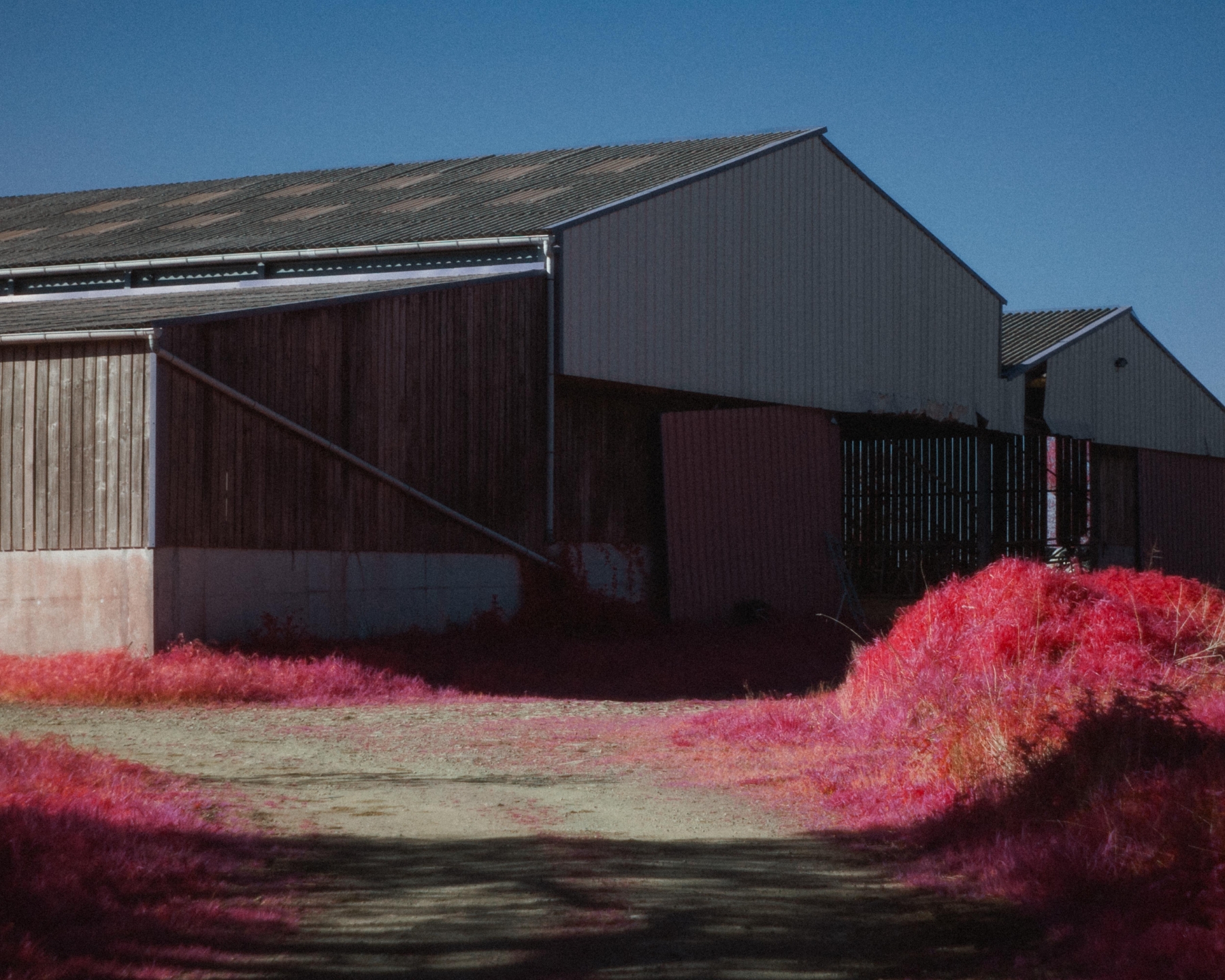
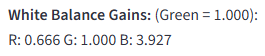
That's what the GRB3 is for. To recover IR signal the camera will boost the gain of the blue/IR channel in the white balance. This will have the effect of concentrating the IR signal in the blue channel which is exactly what we want in order to have a channel dedicated to IR.
Note : It is important to understand that the white balance gains are what dictates the IR color. At 850nm each channel is equally sensitive to IR therefore the channel that has the highest gain will give its color to IR.
The pink filter (that can be replaced with a warming filter) prevents the green transmission to be to high which would cause the white balance to add magenta which would bring some IR in the red channel.
Now why use the expensive TB instead of an orange filter ? The Triple bandpass really helps with color separation. It Is essentially a color enhancing filter : it removes abiguous wavelengths like yellow or orange that would otherwise be recorded in both the green and red channel, causing the saturation to go down. It also removes undesirable short IR wavelengths from 700 to 800nm.
Sensor response to the TB stack :
Here is the response of the RGB channels with the white balance applied :
RED channel : very pure, no IR getting in at all. This is key.
.png.f82d7ae908ea6c26bf5af4edb1647a7c.png)
GREEN channel : almost no IR getting in as well, some red sneaks in, not particularly problematic judging from the images.
.png.b6d1e329a05585f383d60ac7dbd797e7.png)
IR channel : here is the tricky part. It is not IR only, it's a full spectrum channel. It has green, red and IR wavelengths in it.
.png.8c6c6c0a43f2209d2e7a6684382ddf8a.png)
Why is it good that the IR channel is in fact a full spectrum channel ?
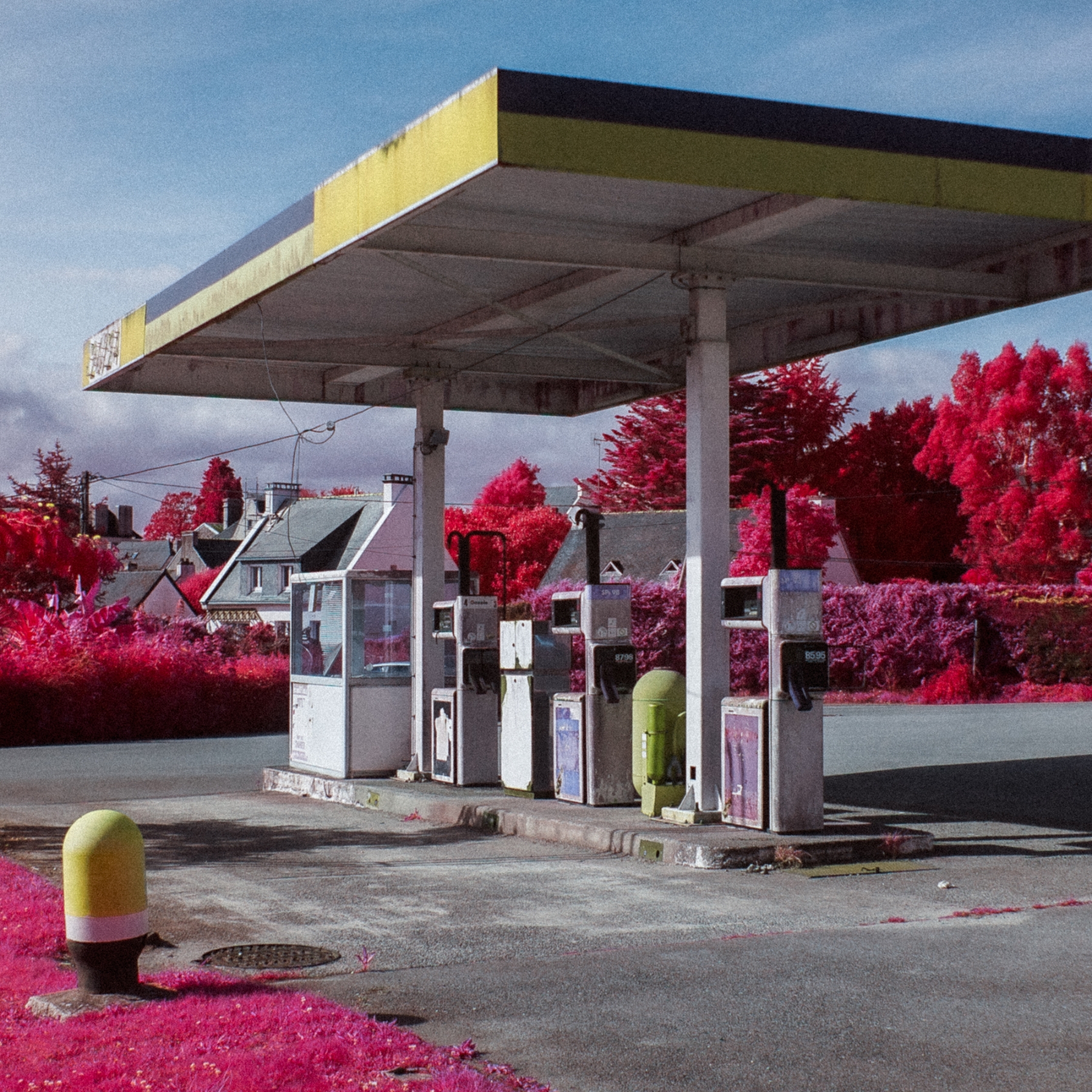
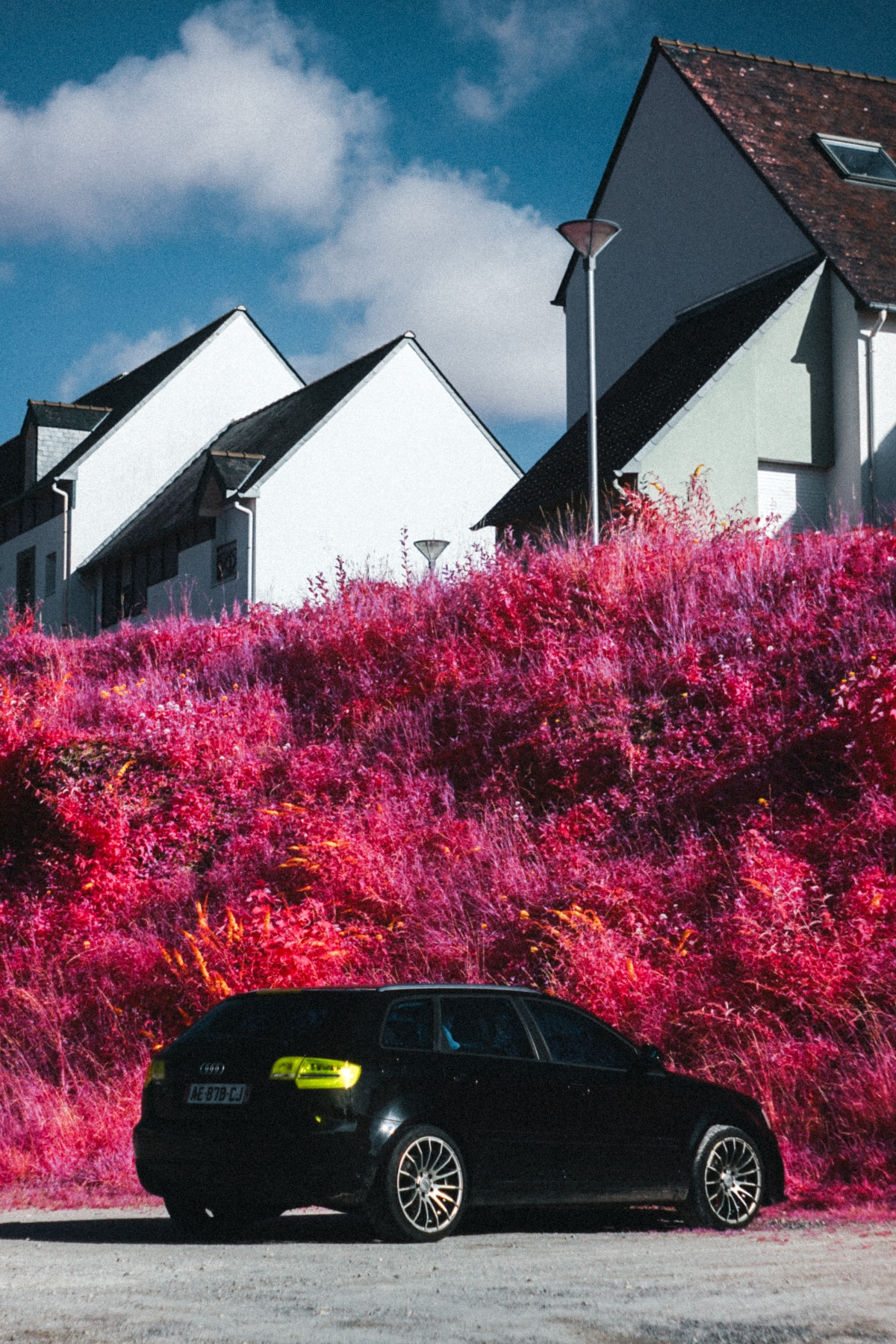
It keeps the IR from clipping : it keeps the color within the gamut of the sRGB image. It also keeps IR low in luminance and therefore high in saturation. The foliage is so reflective in the IR region that you just need scraps of it to light up the trees in red and the grass in pink.
Commentaires
Aucun commentaire pour le moment. Sois le premier à réagir.